What We’ll Cover:
- The benefits of changing habits
- The importance of eating regularly
- Why protein matters
- Supplements - and why they are important
- The role of low-fat and low-sugar foods
If you're thinking about bariatric (weight loss) surgery, it’s important to know that the operation is just the start of your journey. The operation is a tool, it helps reduce hunger and limits how much you can eat. But the biggest changes come from the healthy habits you build around it.
Please note - the information here provides a general overview. For more personalised information or support about bariatric surgery, make sure you reach out to your medical team. They will be happy to help you on this next stage of your health journey.
Why it’s important to start early:
Changing how we eat and live isn’t easy. We're creatures of habit, and habits take time to build. That’s why we encourage you to start building new habits now before surgery, so they become part of your normal routine now. The more you practice these habits now, the easier they’ll feel later.
Regular Meal Structure:
After surgery, your appetite will drop, and you’ll feel full after just a small amount of food. That is why regular eating is one of the most important habits to hThe benefits of changing habits surgery - ideally this would mean eating every 3 to 4 hours. This usually means:
- 3 balanced meals a day
- 1-2 healthy snacks, depending on your schedule and energy needs
Eating this way helps to:
- Keep your energy levels steady, so you don’t feel shaky or tired,
- Support your metabolism, which helps you lose and keep off weight,
- Give your body the vitamins, minerals, and energy it needs to work well,
- Make sure you get enough protein, which is very important after surgery
Why protein matters:
After surgery, your body will lose weight quickly. Without enough protein, your body may break down muscle instead of fat. To stop this, it’s important to eat protein with every meal.
Protein helps with:
- Healing after surgery,
- Keeping your muscles strong,
- Helping you feel full.
Try to:
- Eat a source of protein at every meal
- Make sure protein takes up half of your meal and aim to eat this section first.
- Spread your protein throughout the day
If you’re not sure on what protein foods are or need more support on including protein into your routine, ask your clinical team for advice.
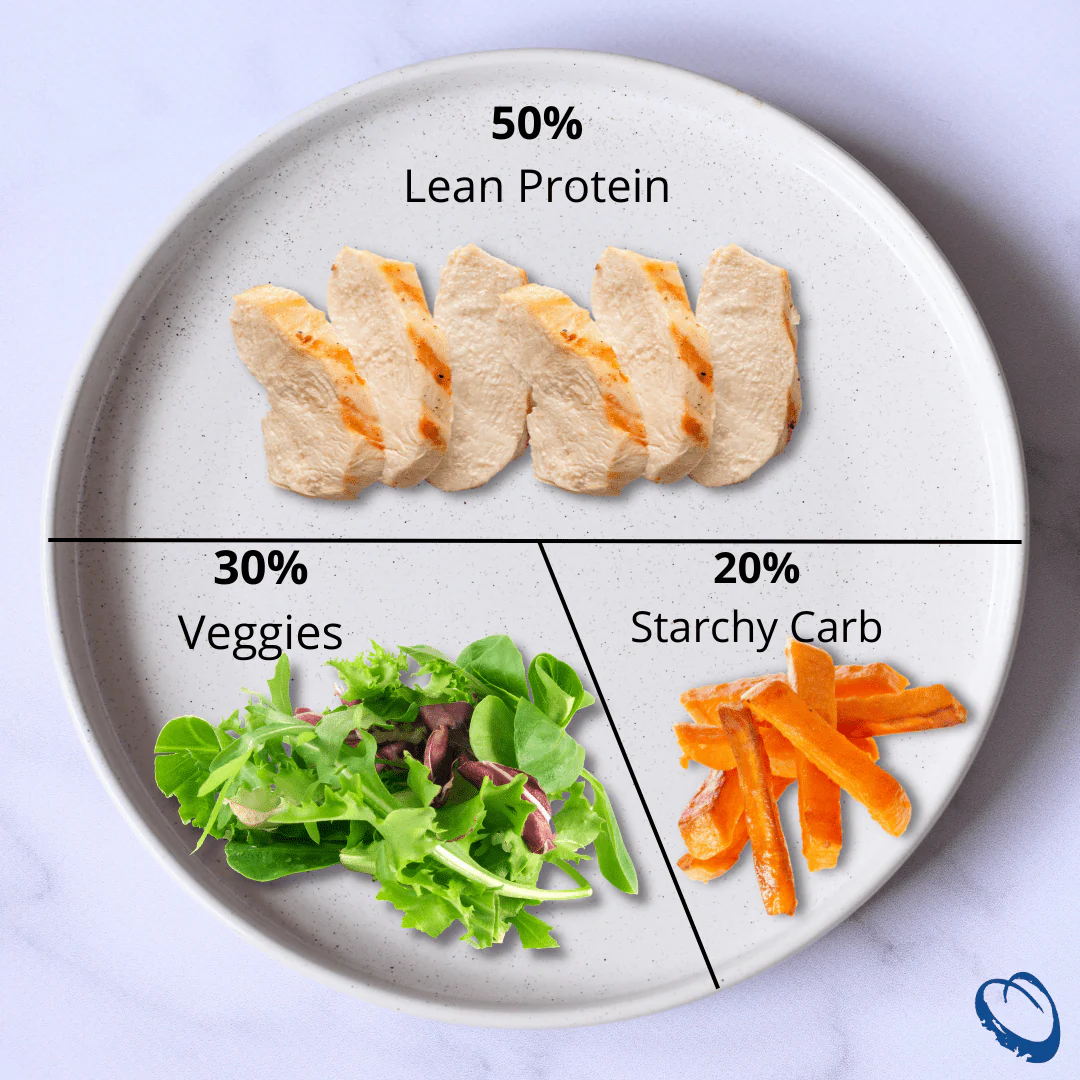
1.ORourke A. Bariatric Plate [Internet]. Bariatric Fusion. 2024 [cited 2025 Sep 12]. Available from: https://www.bariatricfusion.com/blogs/blog/bariatric-plate?srsltid=AfmBOoqvnwW9ApbhUZ_exiStBtt2BKn1YpKTDWbOEviHImYwAgKV1wwp
Start taking a daily multivitamin:
After surgery, you’ll need to take vitamins and minerals every day for life. These will help keep your body healthy and avoid problems like:
- Feeling tired,
- Hair thinning,
- Poor wound healing,
- Low mood.
To prepare, you can start now by taking a simple A-Z multivitamin & mineral once a day. This will help your body get ready for surgery and make it easier to continue the habit afterward. You will receive guidance from your clinical team after surgery on the exact supplements that you will need to take long-term.
Avoid high-fat and high-sugar foods
After surgery, particularly a gastric bypass, your body processes food differently. Eating foods that are high in sugar or fat can lead to something called dumping syndrome. This can happen when certain foods move too quickly from your stomach into your gut.
Dumping syndrome can feel very unpleasant. You may experience:
- Stomach cramps
- An urgent need to go to the toilet
- Diarrhoea
- Dizziness or feeling faint
- A racing heart or feeling shaky
- Nausea or feeling sick
- Extreme tiredness
This happens because your body can no longer break down certain sugars and fats in the same way. To avoid these symptoms and feel your best, try to:
- Limit foods that are high in added sugar (e.g. sweets, cakes, sugary drinks)
- Choose lower-fat options when possible (e.g. grilled or baked foods instead of fried)
Think of it as helping your body adjust to its new way of working - and protecting yourself from feeling unwell. Make sure you always seek medical attention if your symptoms are not resolving or are getting worse.
Looking ahead
The surgery is just one part of the journey. The real success comes from the habits you build around it. To prepare for surgery, try to:
- Eat regularly
- Include protein with every meal, aiming for half of your plate
- Start a daily vitamin habit
- Start reducing high sugar and high fat foods within your diet - reading food labels can help
- Follow advice from your team
- Ask for help when you need it
We are here to support you. You’re not doing this alone. Every small change you make now will help you feel stronger, healthier, and more confident on your journey.
The information on this page is for educational purposes only and is not a substitute for professional medical advice, diagnosis, or treatment. Always consult a qualified healthcare professional for personalised medical guidance.
References
- O’Kane M, Parretti HM, Pinkney J, Welbourn R, Hughes CA, Mok J, et al. British Obesity and Metabolic Surgery Society Guidelines on perioperative and postoperative biochemical monitoring and micronutrient replacement for patients undergoing bariatric surgery—2020 update. Obesity Reviews [Internet]. 2020 Aug 2;21(11). Available from: https://www.bomss.org.uk/wp-content/uploads/2014/09/BOMSS-guidelines-Final-version1Oct14.pdf
- East Suffolk and North Essex NHS Foundation Trust. Post-operative Diet after Metabolic and Bariatric surgery For adult patients in the ESNEFT Weight Management Service who have undergone metabolic/bariatric surgery. East Suffolk and North Essex NHS Foundation Trust, editor. East Suffolk and North Essex NHS Foundation Trust: East Suffolk and North Essex NHS Foundation Trust; 2024.
- ORourke A. Bariatric Plate [Internet]. Bariatric Fusion. 2024 [cited 2025 Sep 12]. Available from: https://www.bariatricfusion.com/blogs/blog/bariatric-plate?srsltid=AfmBOoqvnwW9ApbhUZ_exiStBtt2BKn1YpKTDWbOEviHImYwAgKV1wwp


